CASE STUDY 01 / ENTERPRISE SAAS

Buxton

Three Years Transforming Legacy Analytics Into Modern Products.

Beyond SCOUT: Building Buxton's Future

Buxton's SCOUT platform delivered powerful analytics, but its complexity often left customers relying on internal specialists. A developer-driven approach to design had also become a barrier to growth.

As Product Design Manager, I led the effort to make Buxton's analytics more approachable and accessible through a new portfolio of products. Working with leadership, I helped shape product direction and establish a more consistent, collaborative design process. This included improving information architecture, introducing design standards and user testing, working more closely with development teams, and building a team of four designers.

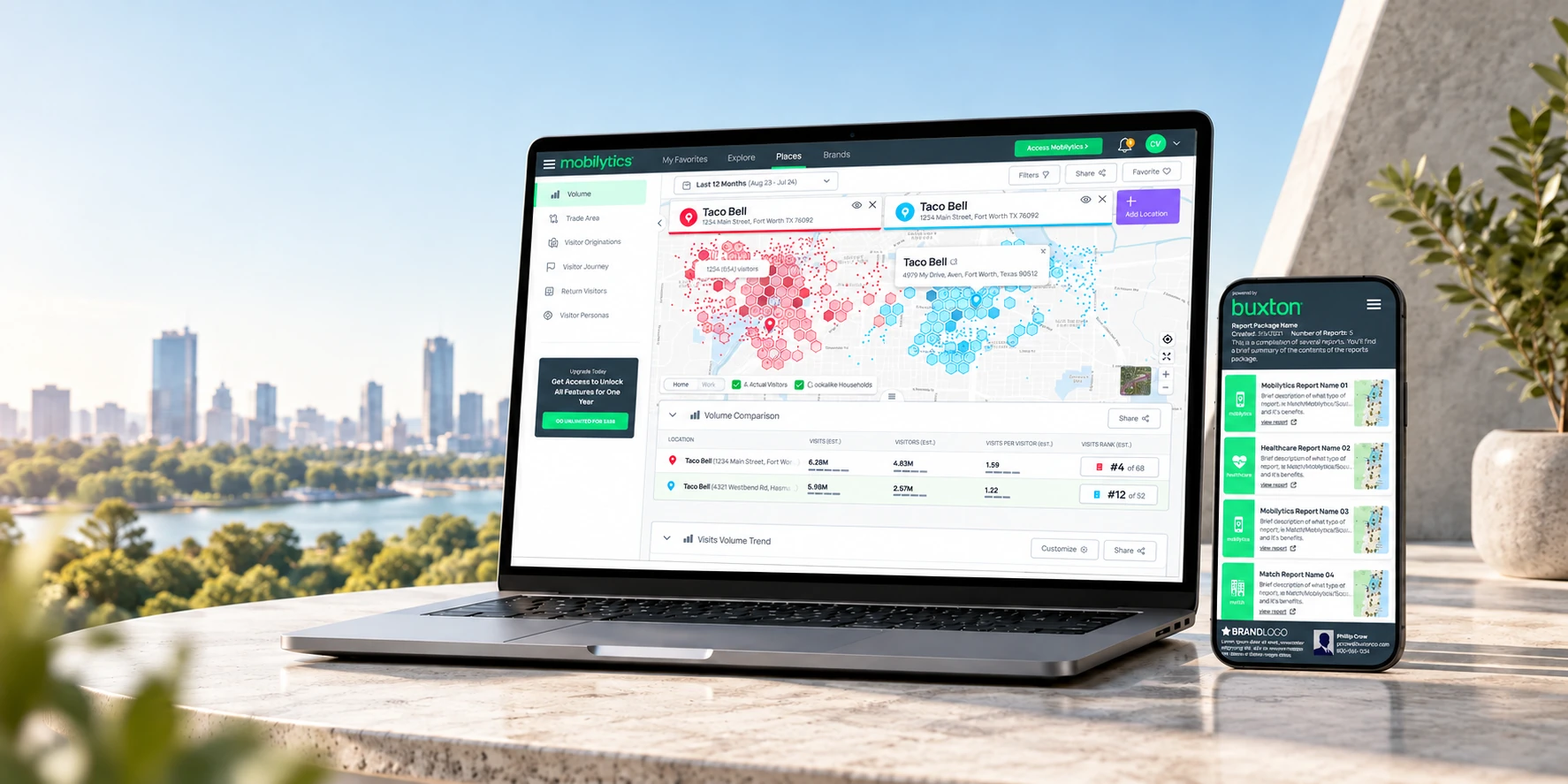
Buxton product mockup shown on laptop and phone
01 / 04THE CHALLENGE

Different Products, Different Design Challenges

Hands-on UX/UI

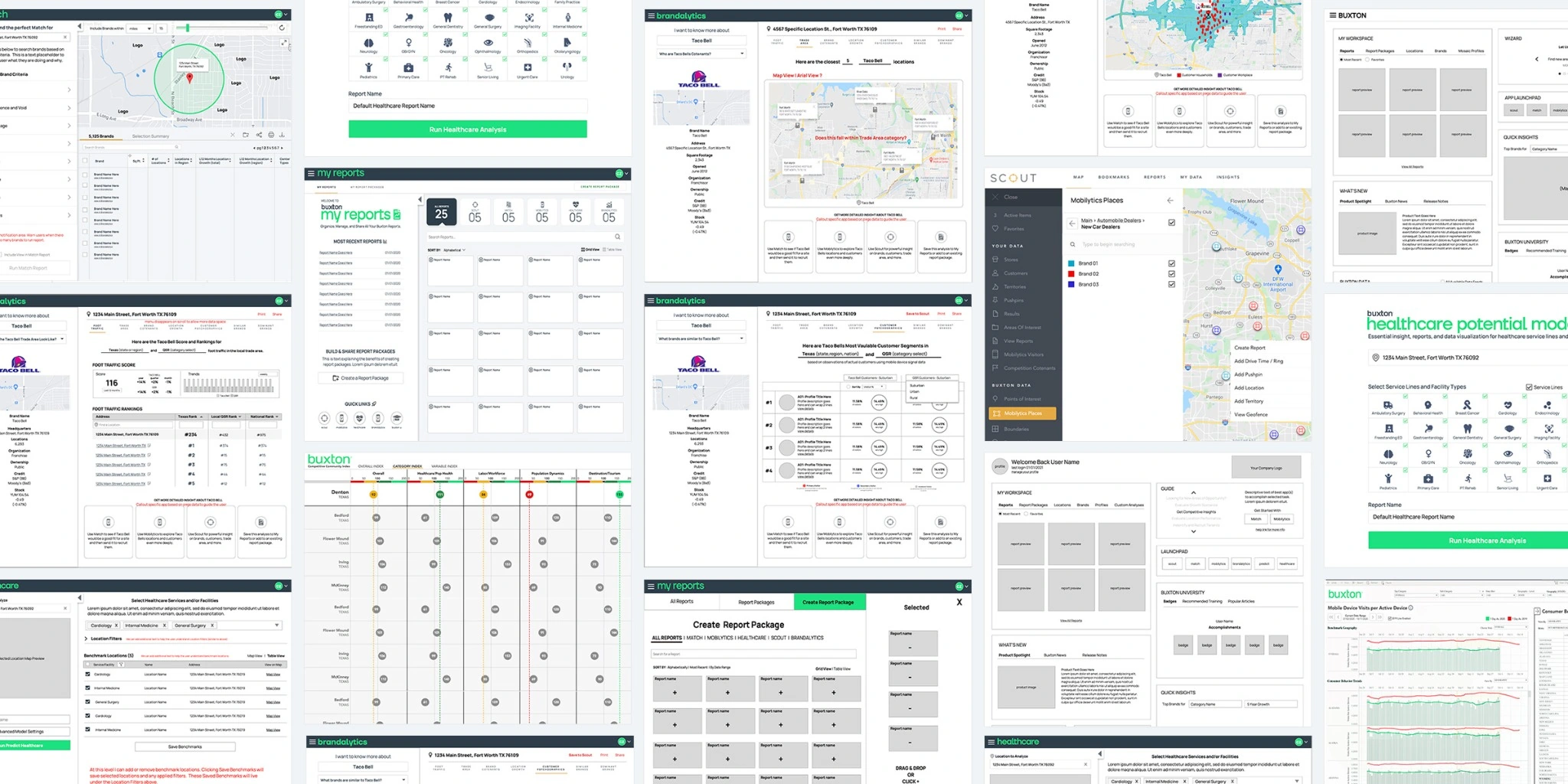
Building four new analytics products while integrating them with SCOUT meant tackling five distinct design challenges. Each product had its own users, goals, workflows, and technical complexities.

The challenge was to design each experience around its unique requirements while establishing the consistency and efficiency needed to support an entire product portfolio.

Design Approach

01 / Untangle the Legacy

Understand SCOUT's workflows, data, and technical limitations to determine what to preserve, simplify, or rethink.

02 / Design for Different Users

Understand each product's audiences, goals, and workflows to turn complex analytics into clearer, more intuitive experiences.

03 / Collaborate, Test, Refine

Work with product and engineering to explore ideas, prototype quickly, test with users, and continuously improve the designs.

04 / See It Through

Establish consistent design patterns, work through implementation challenges, and ensure the finished products deliver the intended experience.

02 / 04THE PRODUCTS

LOCATION ANALYTICS

Mobilytics

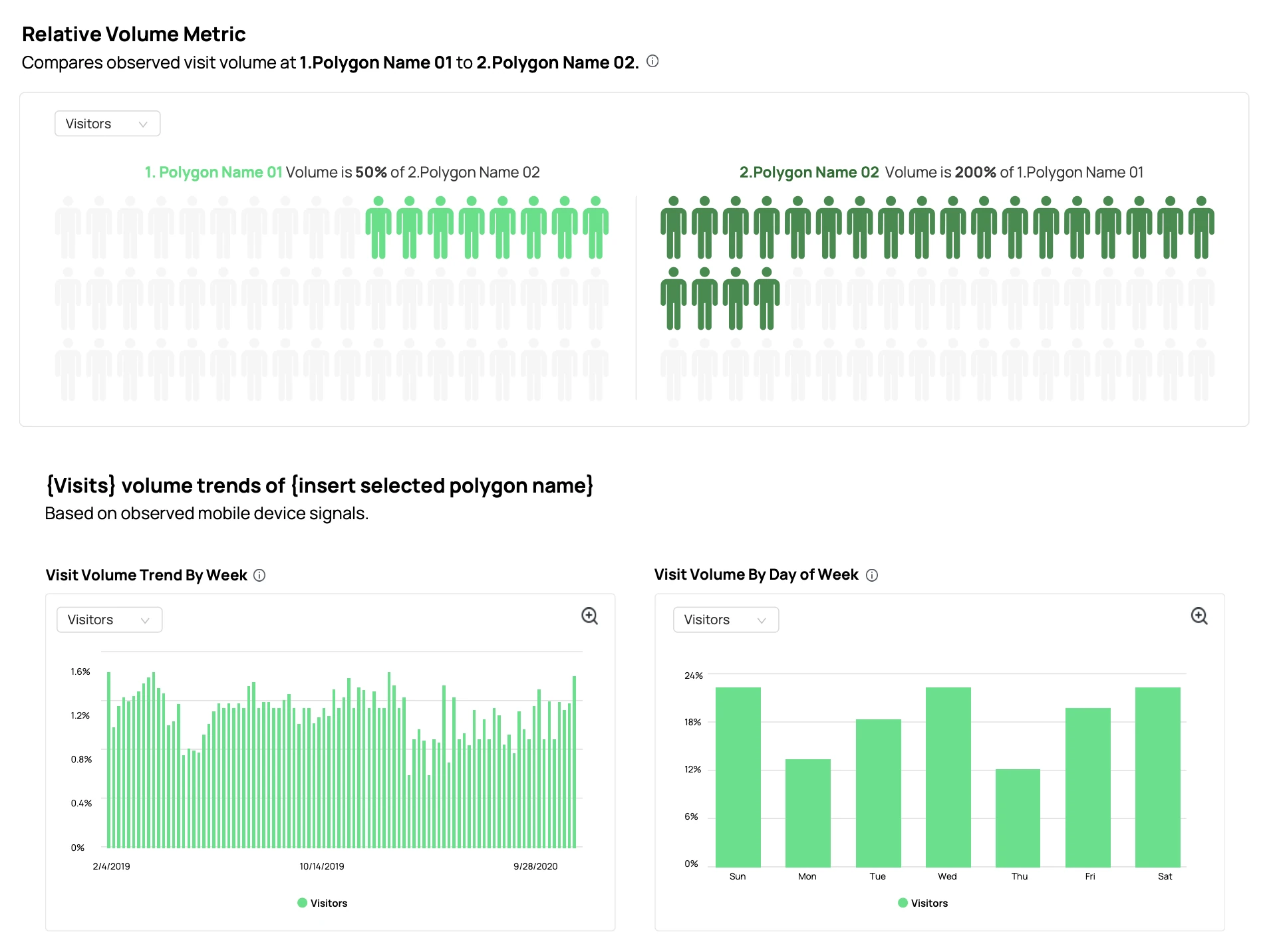
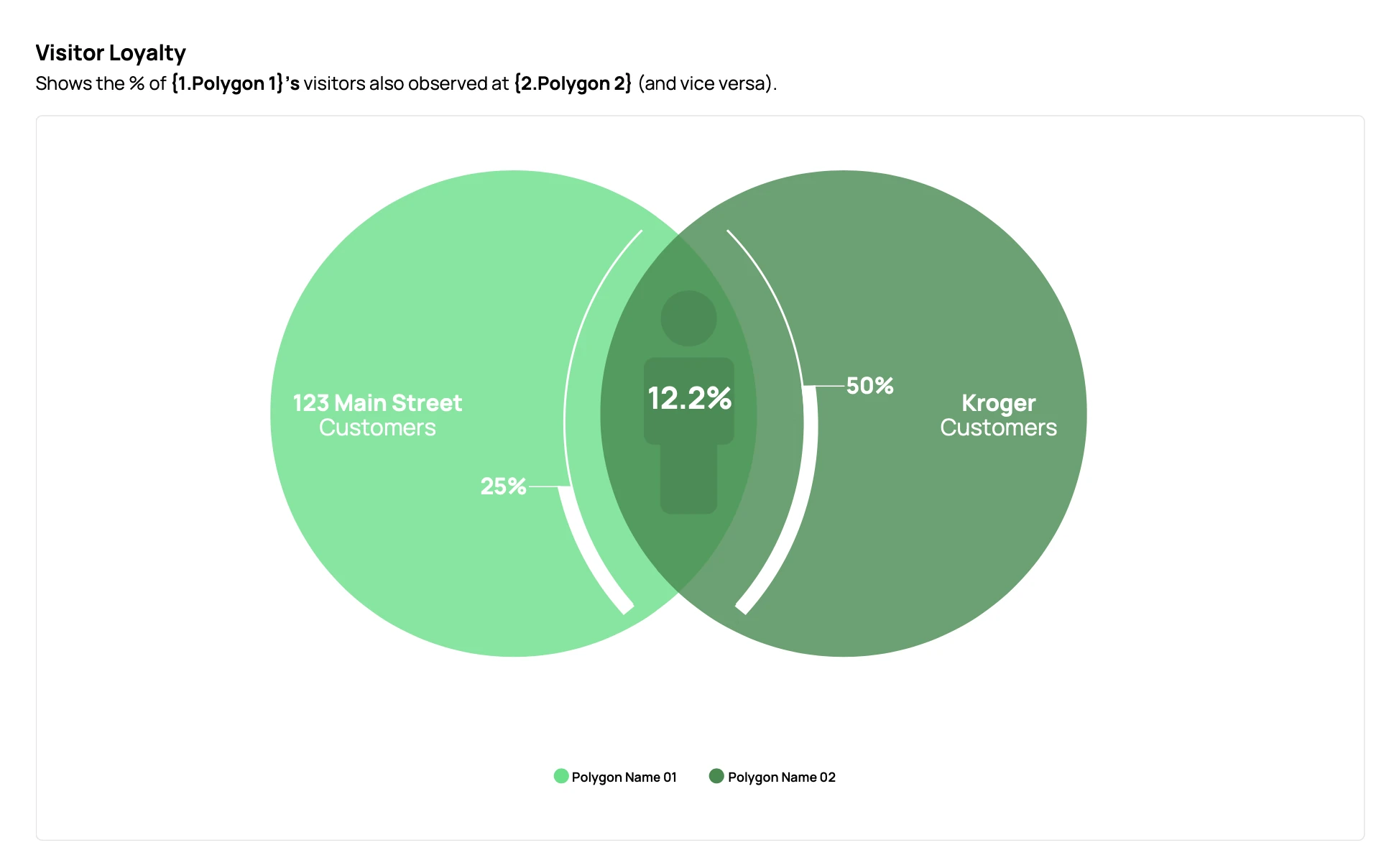
Making complex location analytics easier to configure and explore

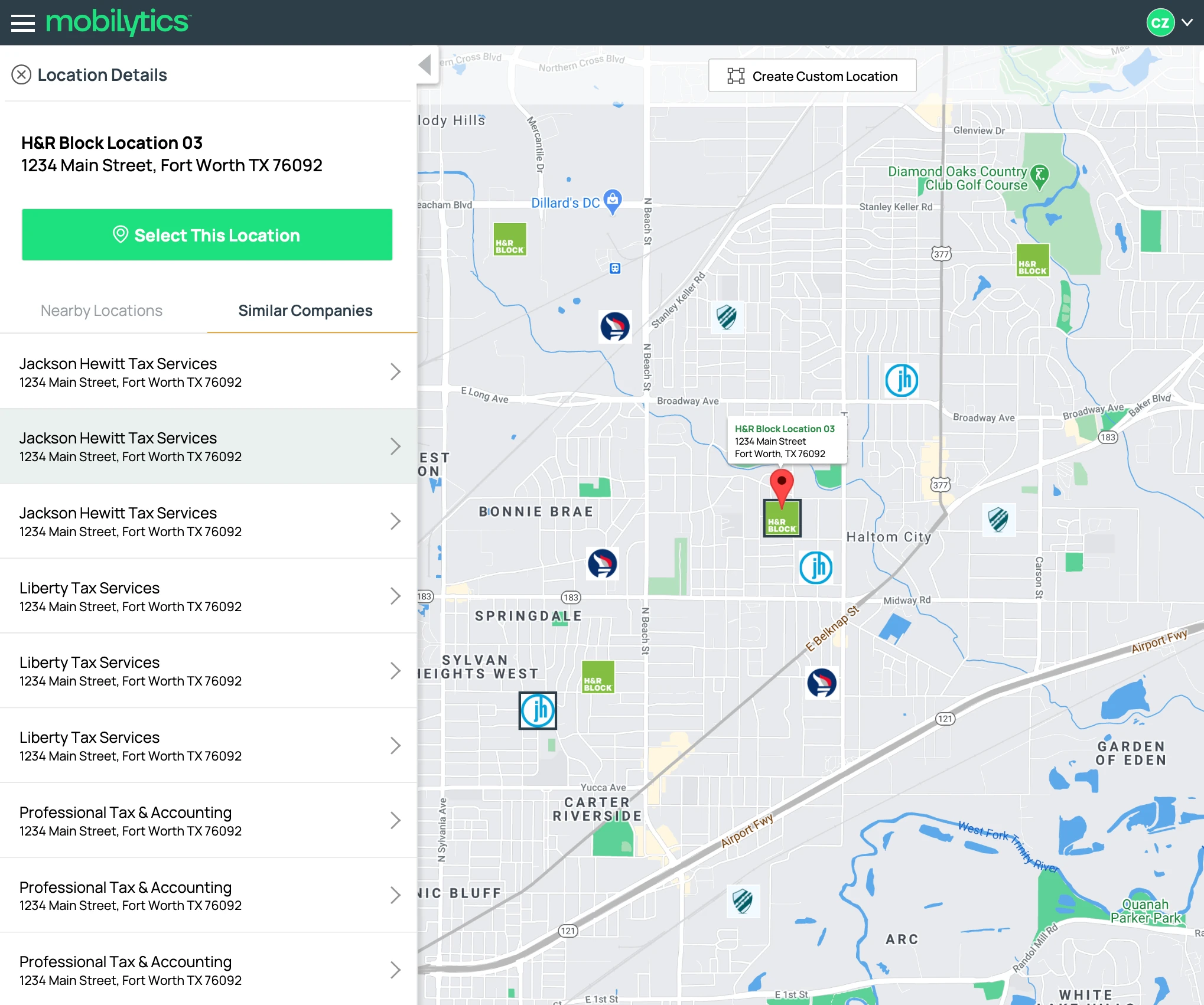
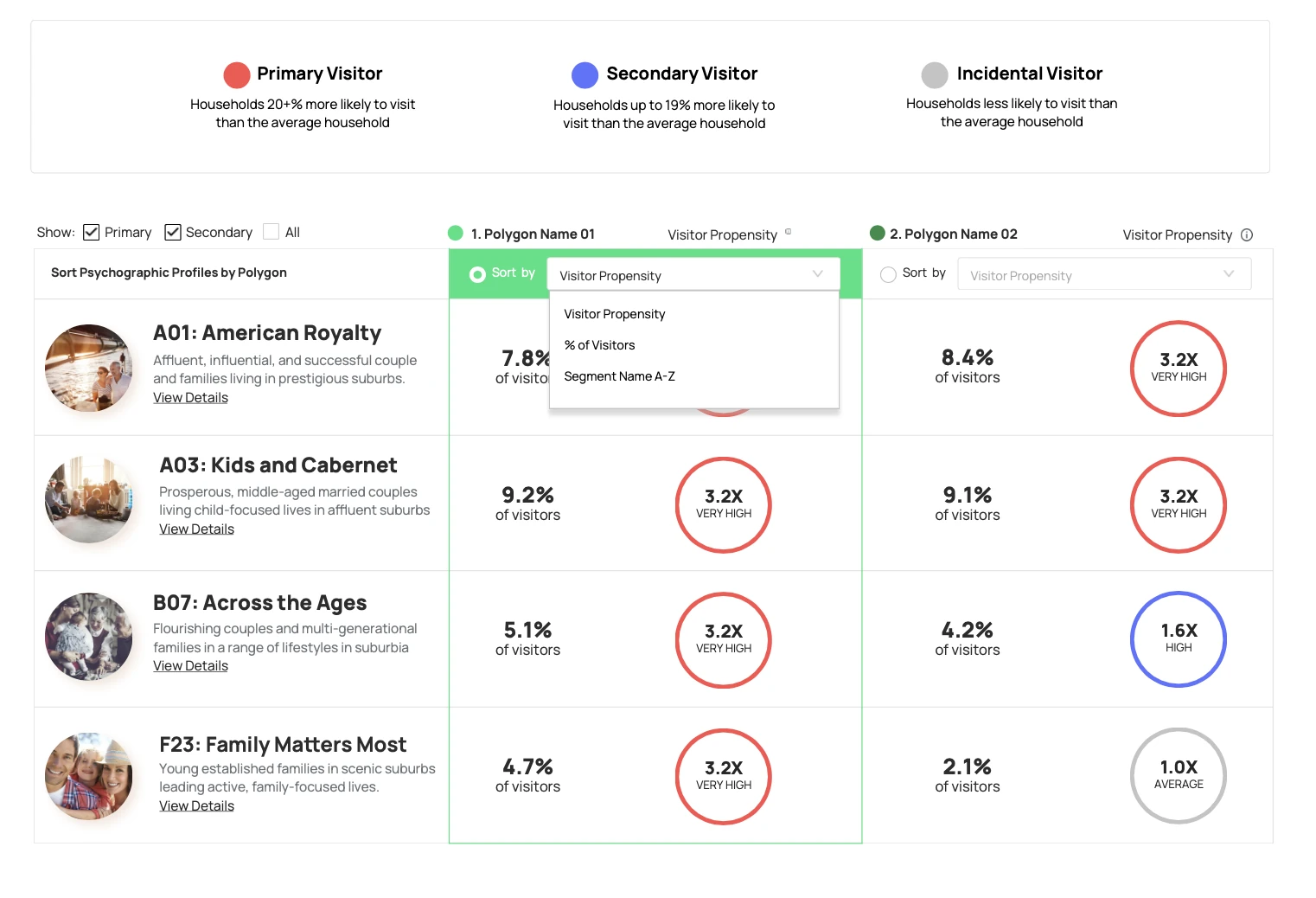
Mobilytics allowed customers to analyze foot traffic, visitor behavior, and geographic trade areas. The design challenge was organizing a wide range of settings, comparisons, and reporting options without overwhelming users.

We developed a map-based experience that guided users from selecting locations and configuring an analysis to exploring detailed reports, with more advanced geographic tools available when needed.
SITE MATCHING

Match

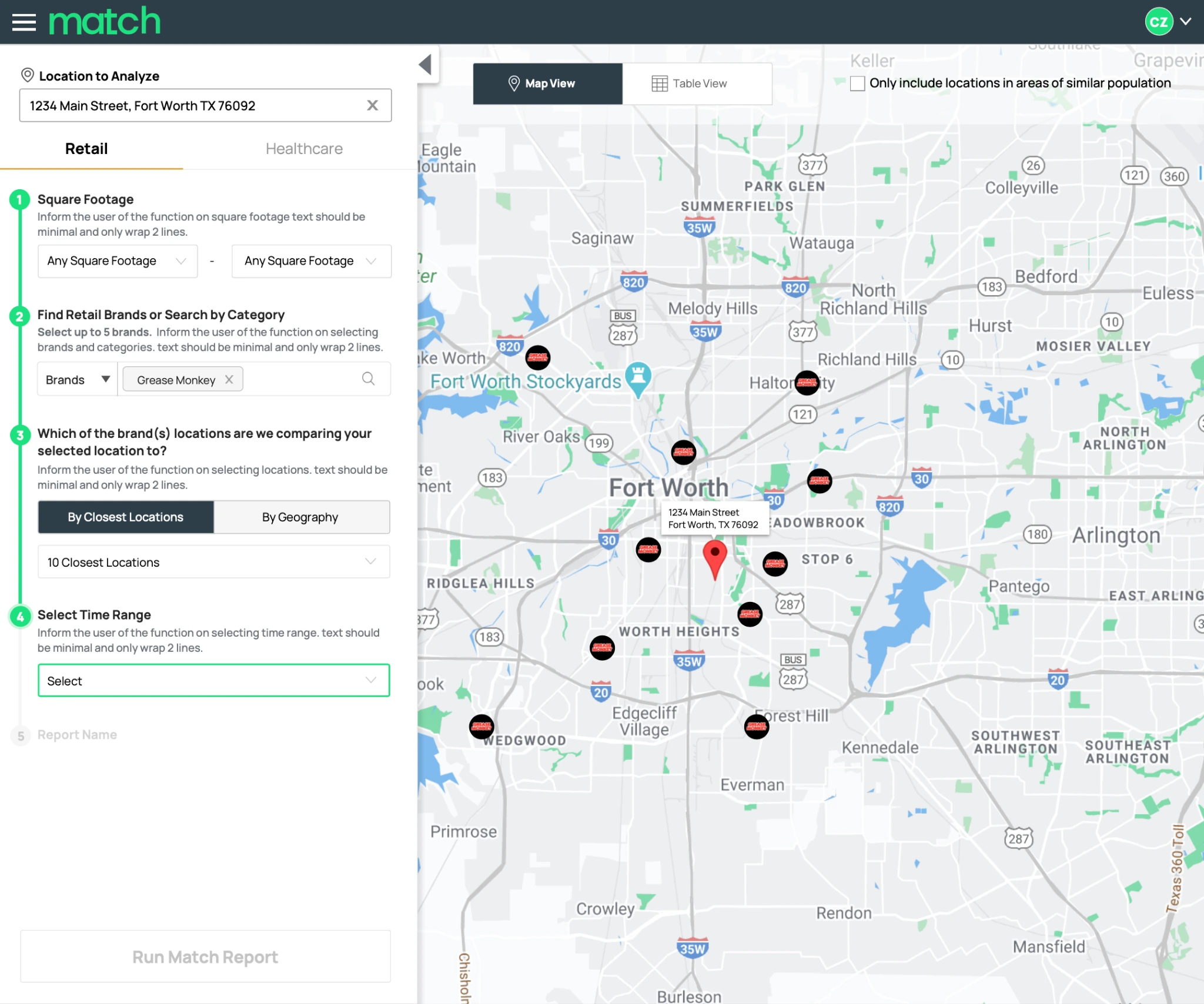
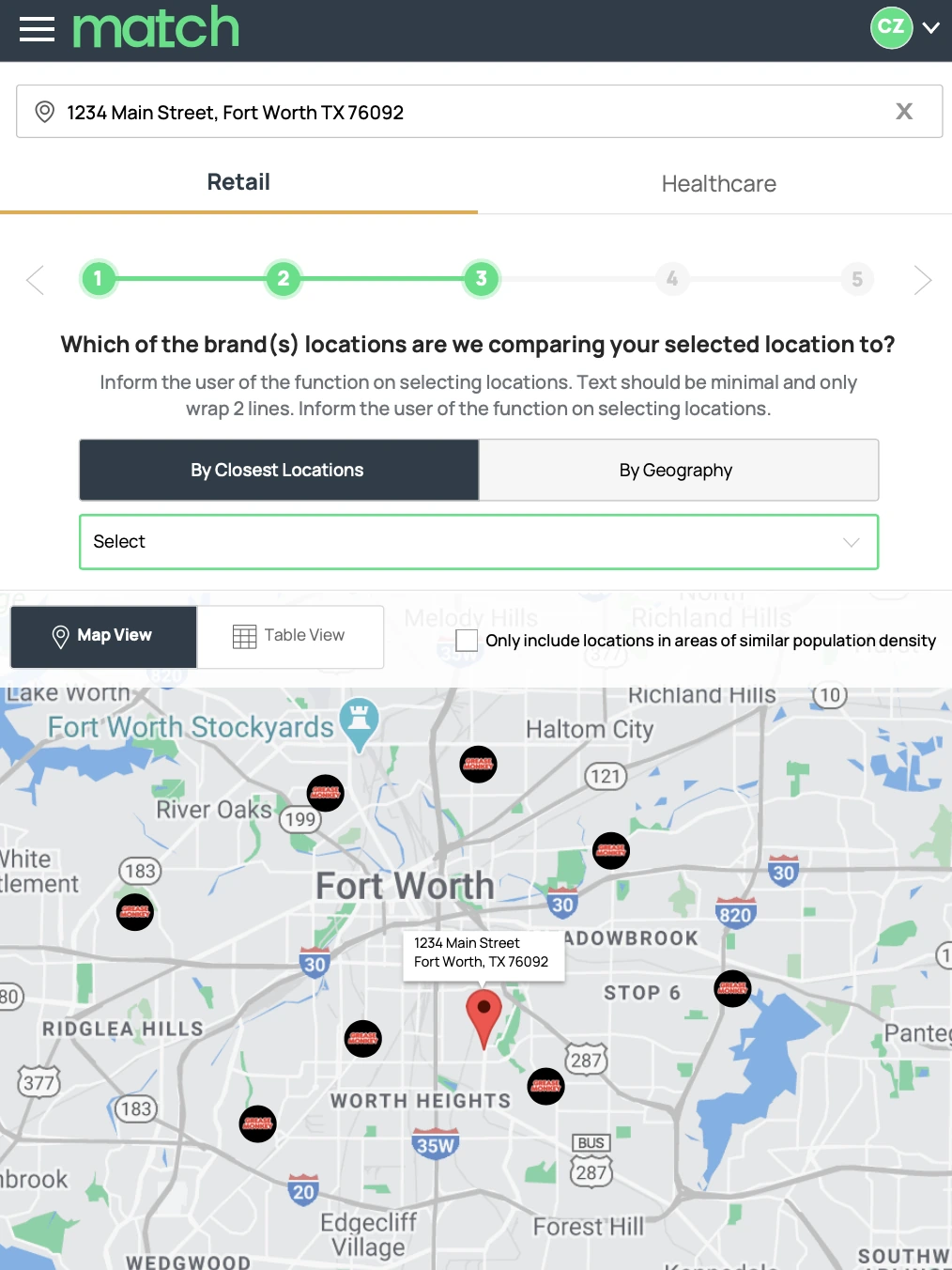
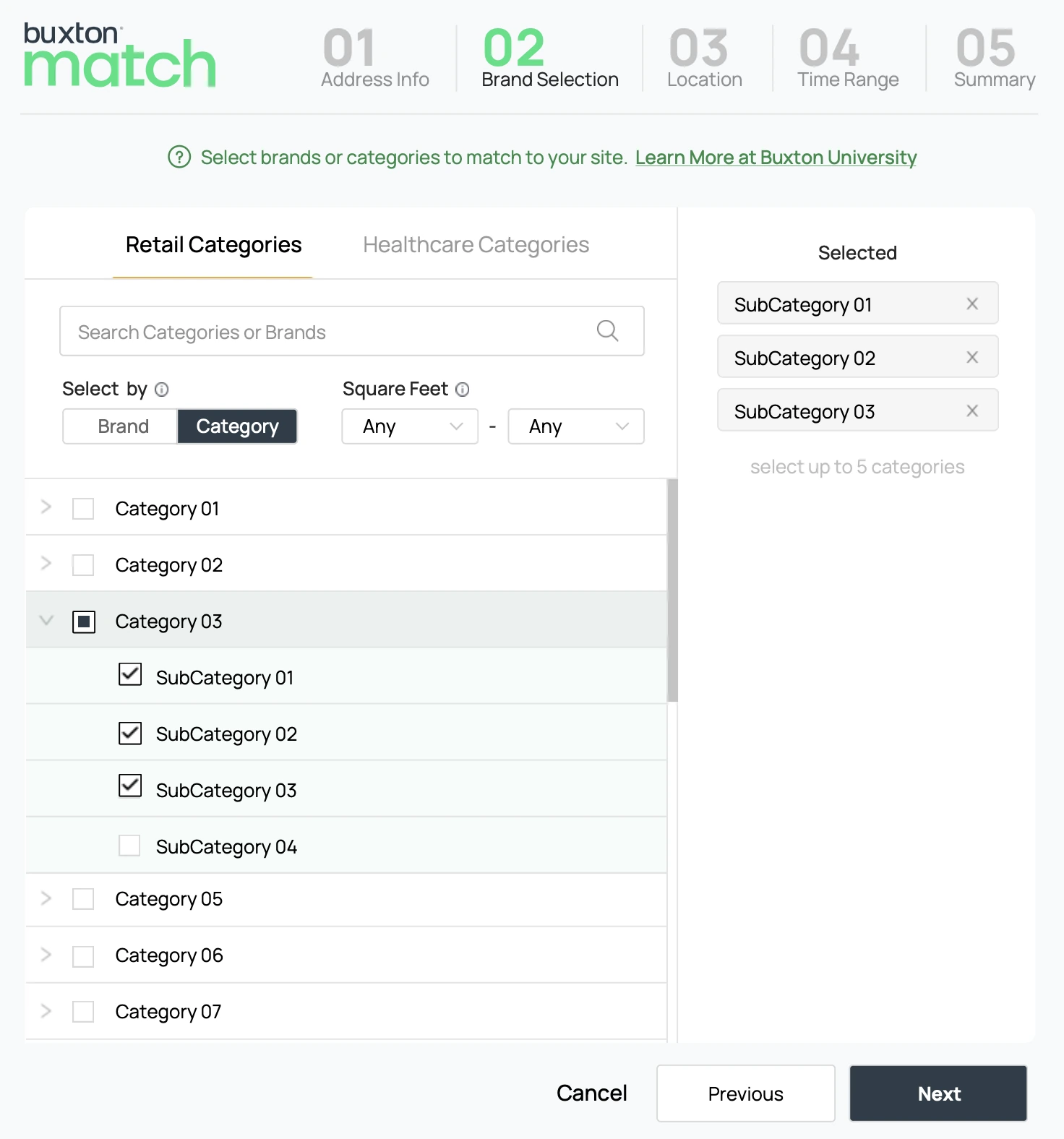
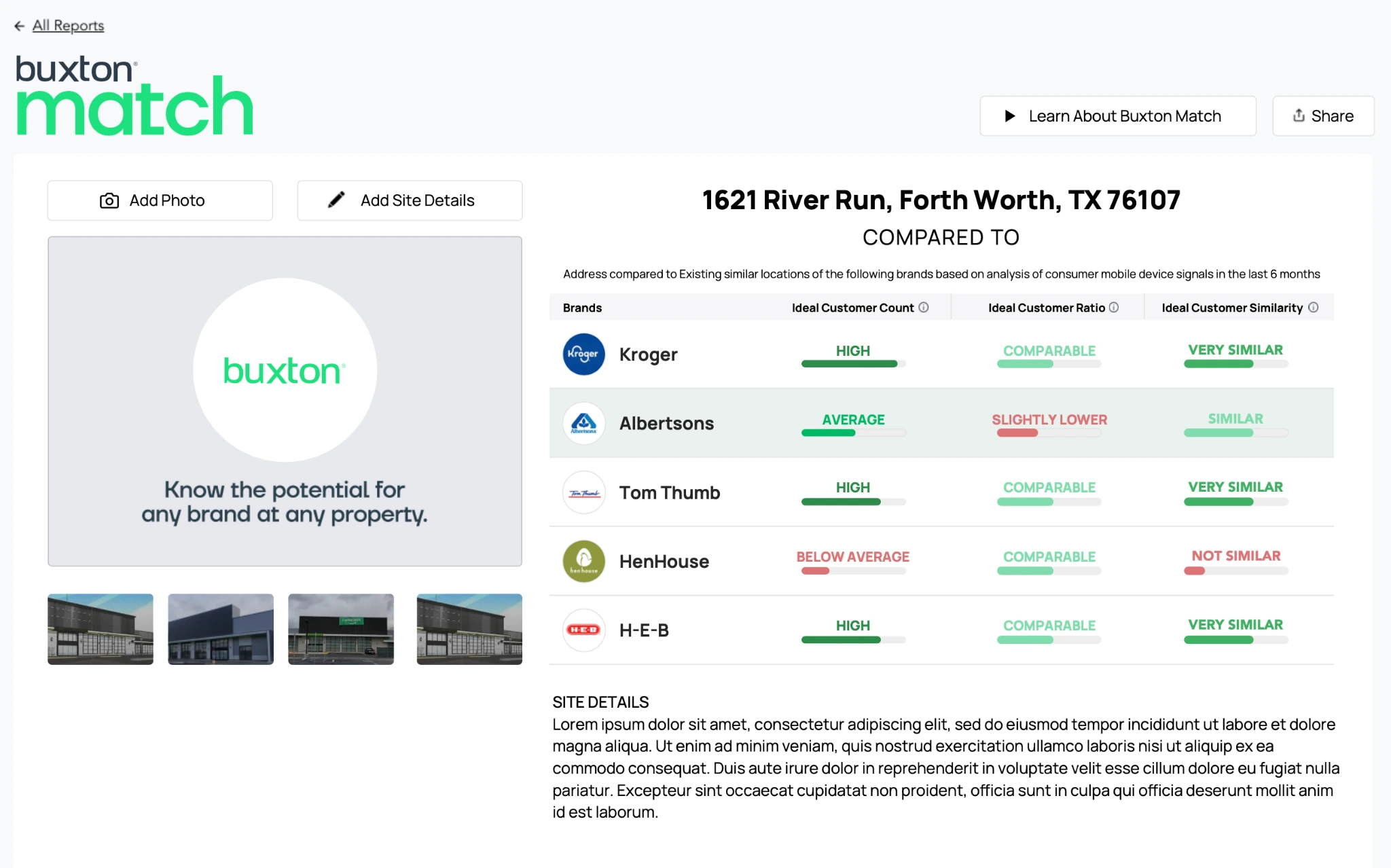
Turning complex site and brand matching into a guided experience

Match helped users identify brands and concepts that were a good fit for specific properties. The challenge was managing numerous variables, including location, property characteristics, brand categories, and geographic criteria.

We explored guided workflows that broke the process into manageable decisions, helping users configure their search and understand the resulting matches.

PREDICTIVE ANALYTICS

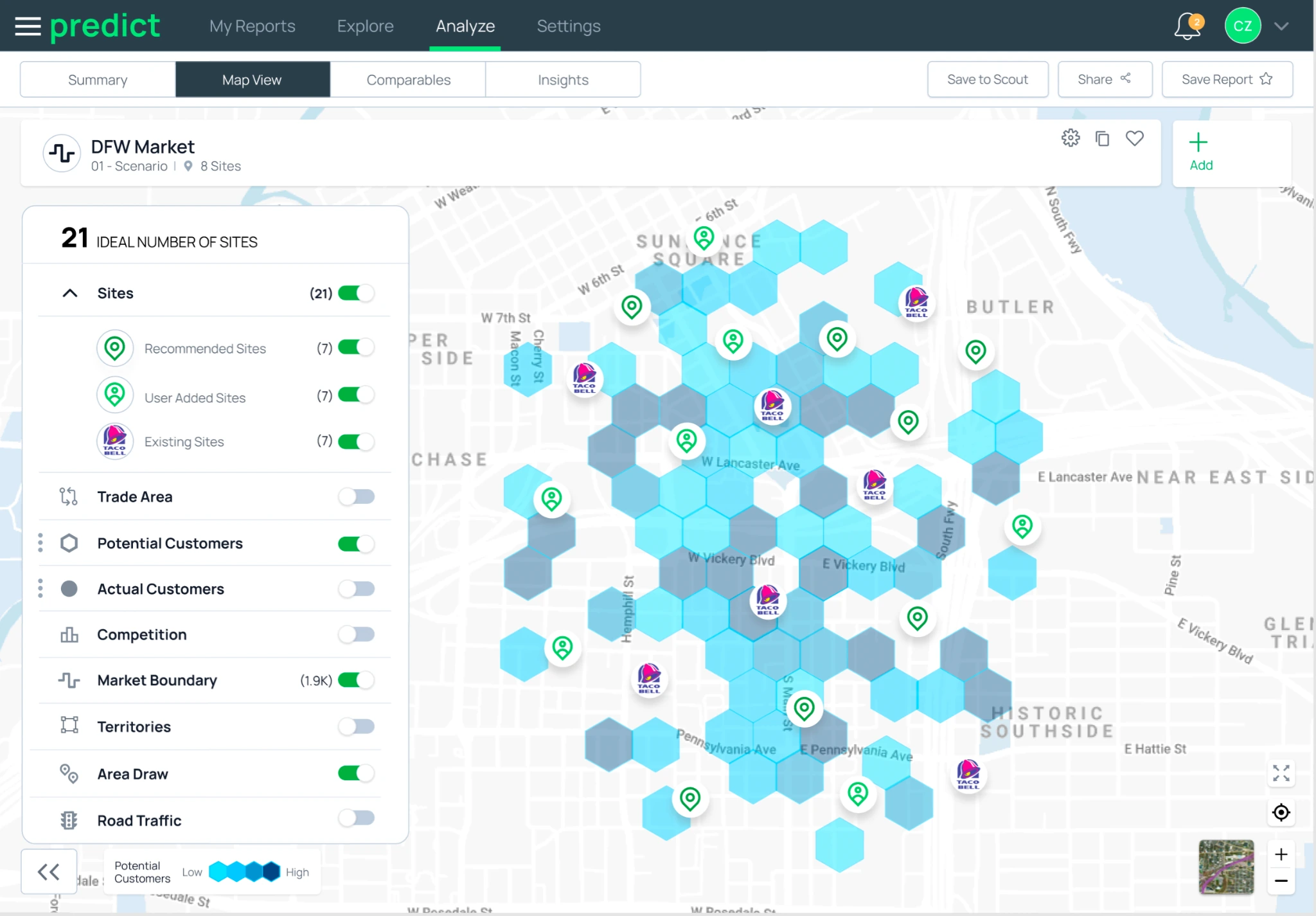
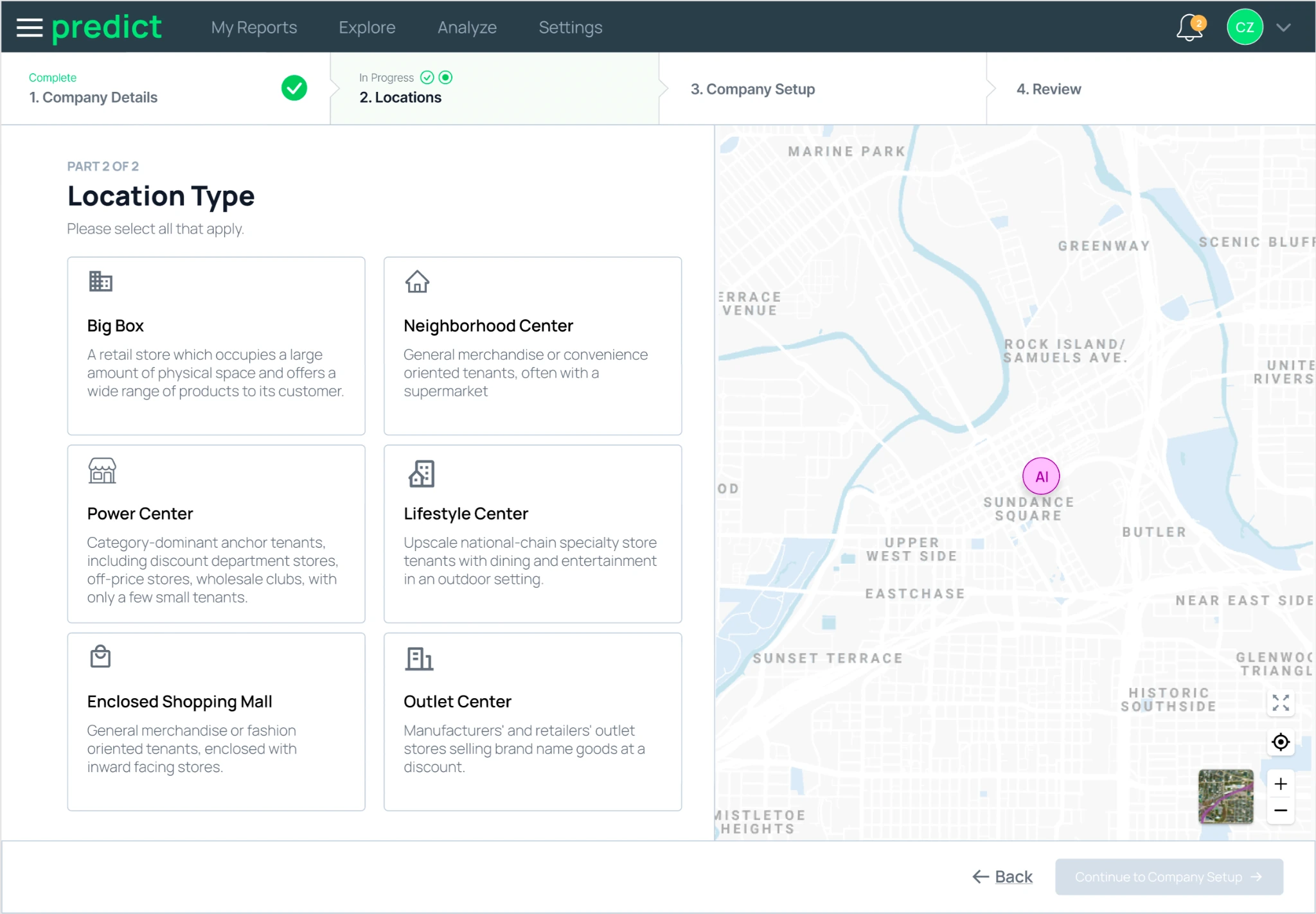
Predict

Making sophisticated predictive analytics understandable

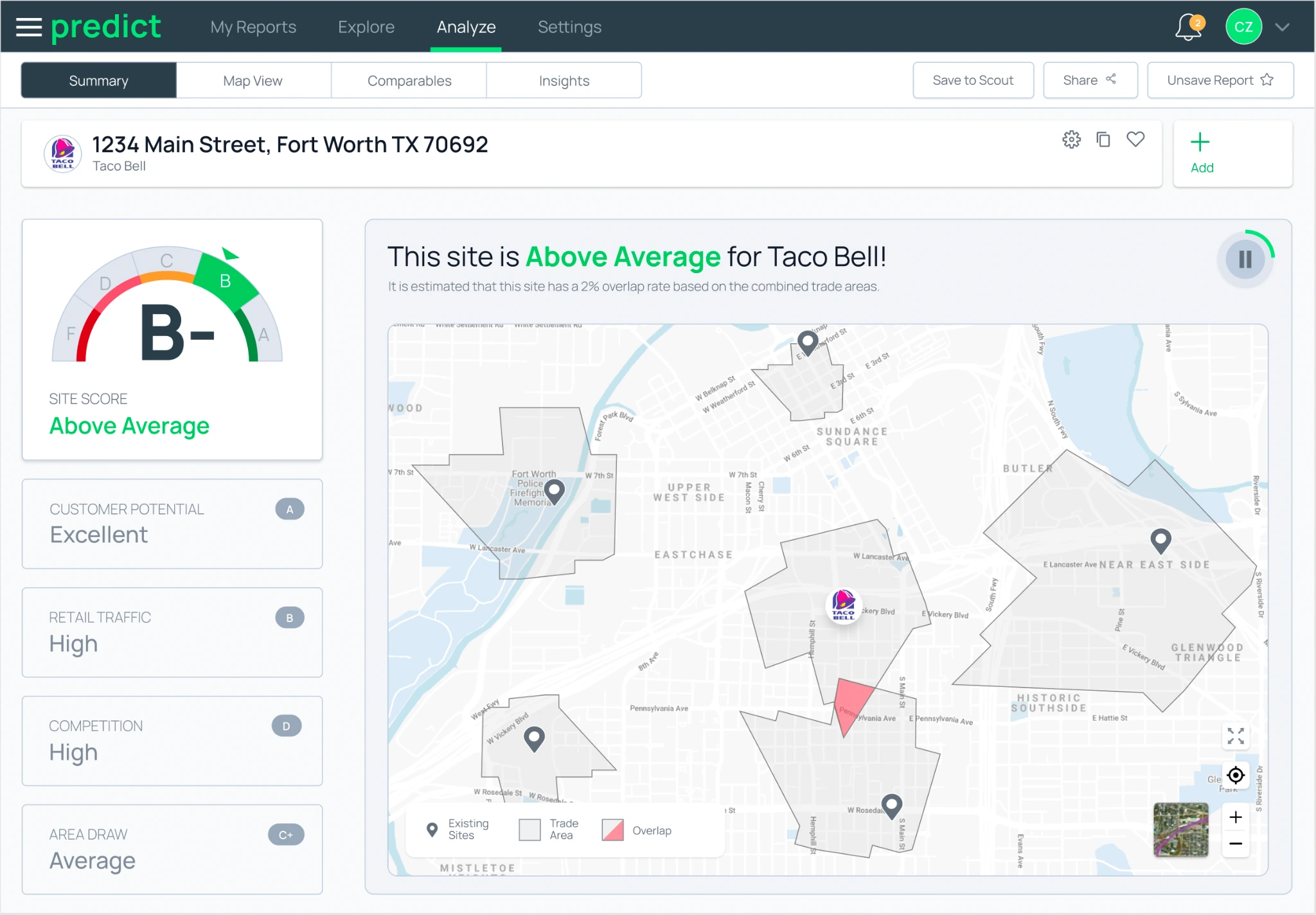
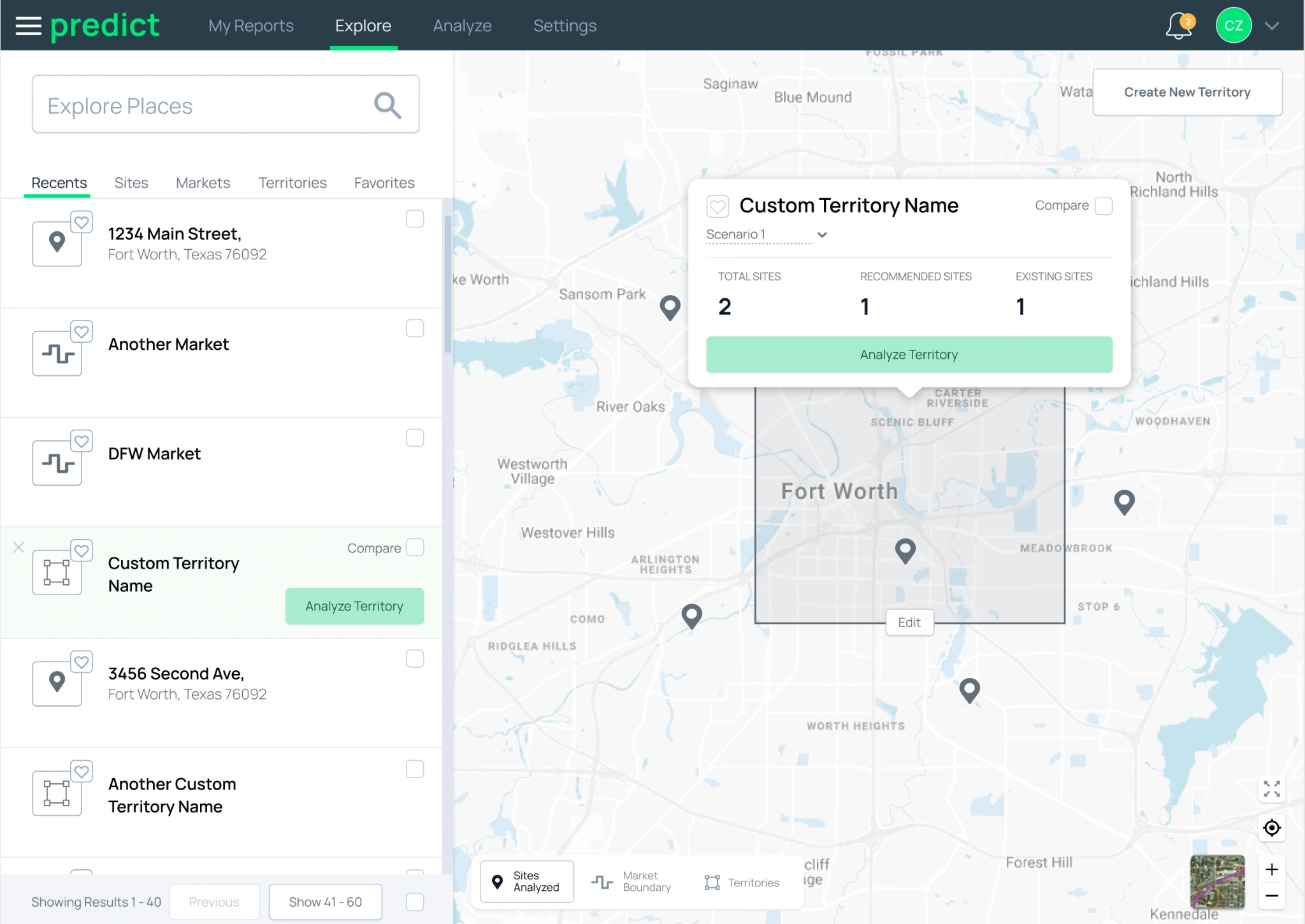
Predict presented a different level of complexity, combining predictive models, site-performance scoring, geographic analysis, and customizable reporting.

The challenge was organizing highly technical information into an experience where users could configure analyses, interpret multiple scoring dimensions, and explore results without needing to understand every detail of the underlying models.

DATA QUERY

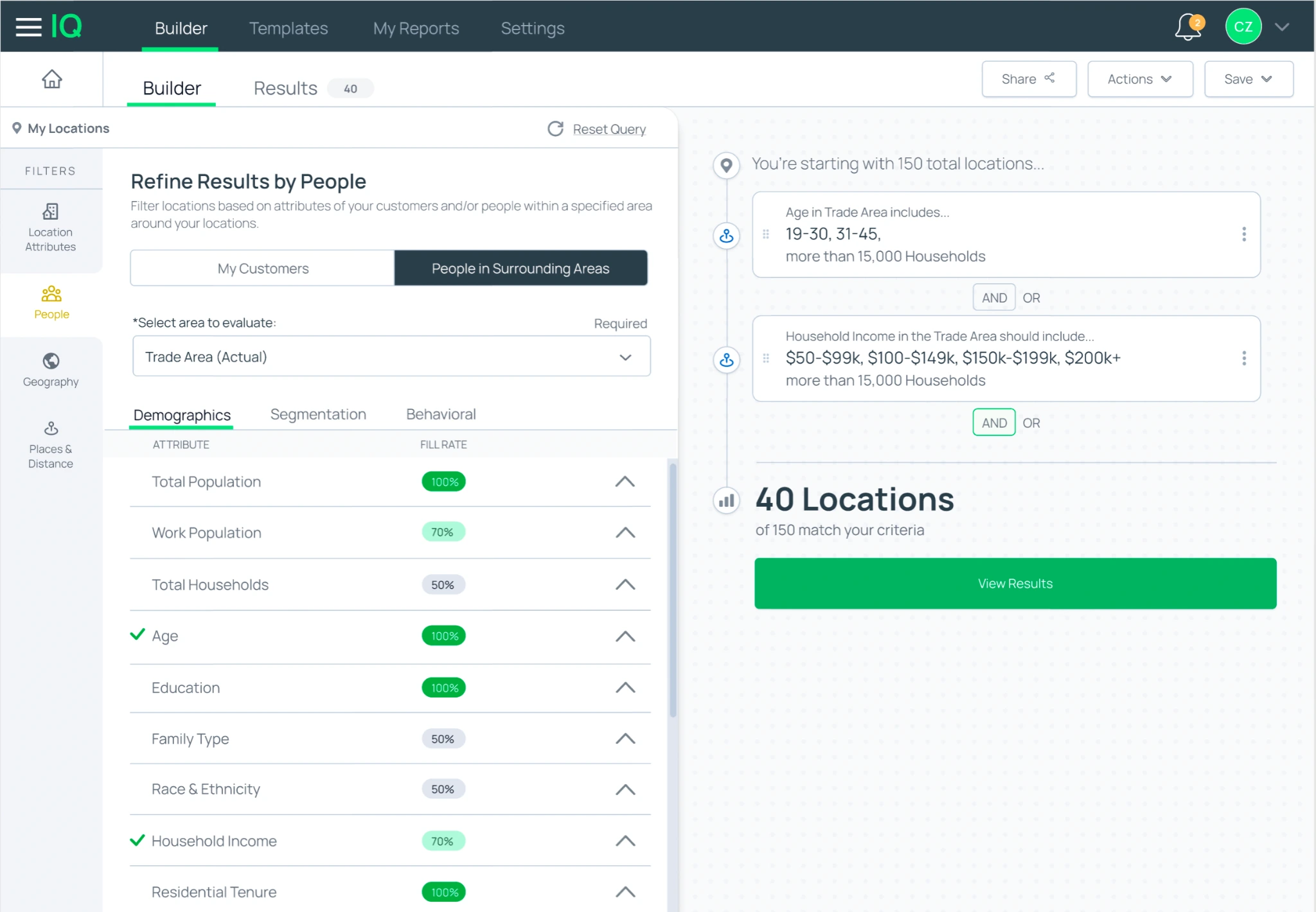
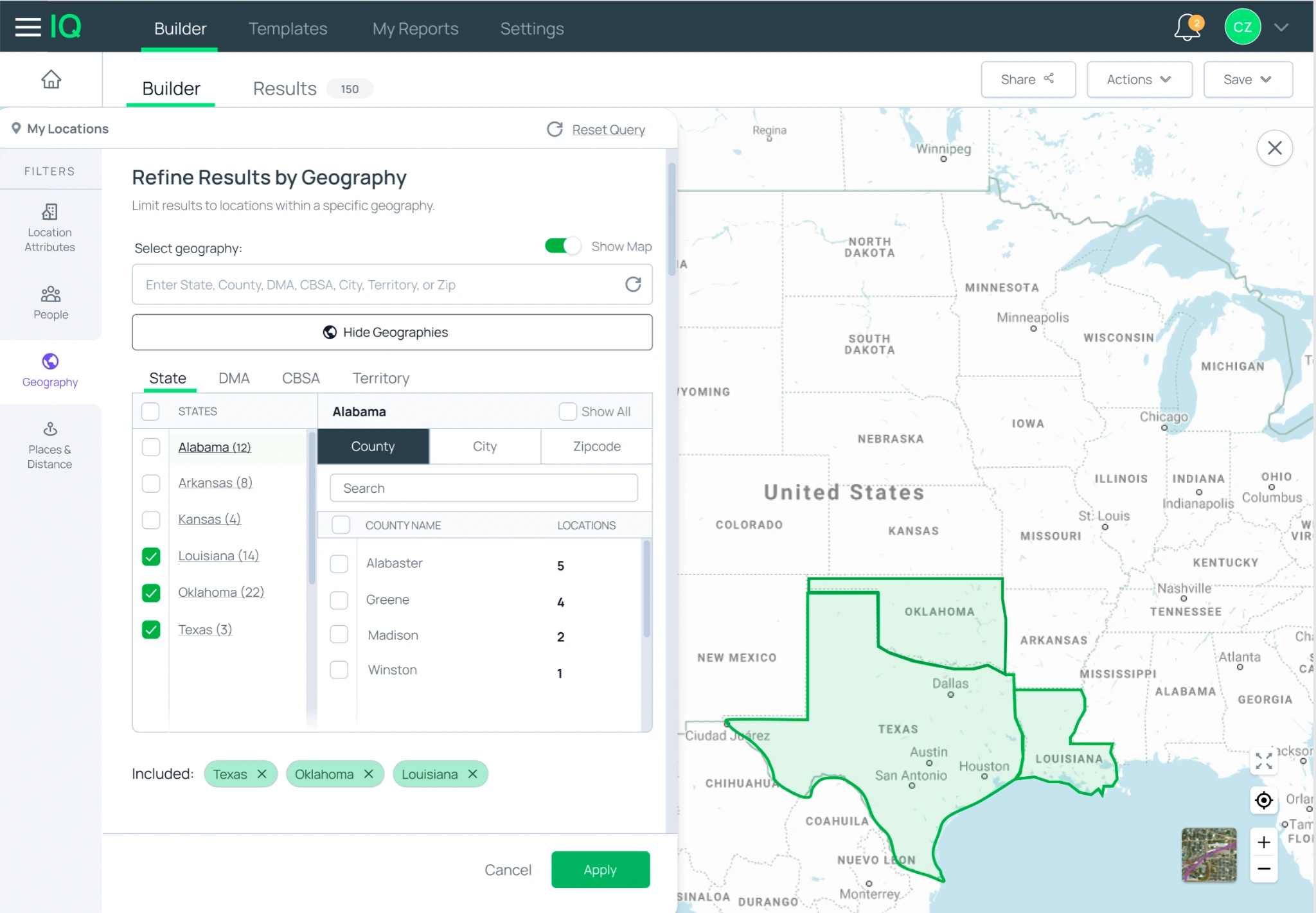
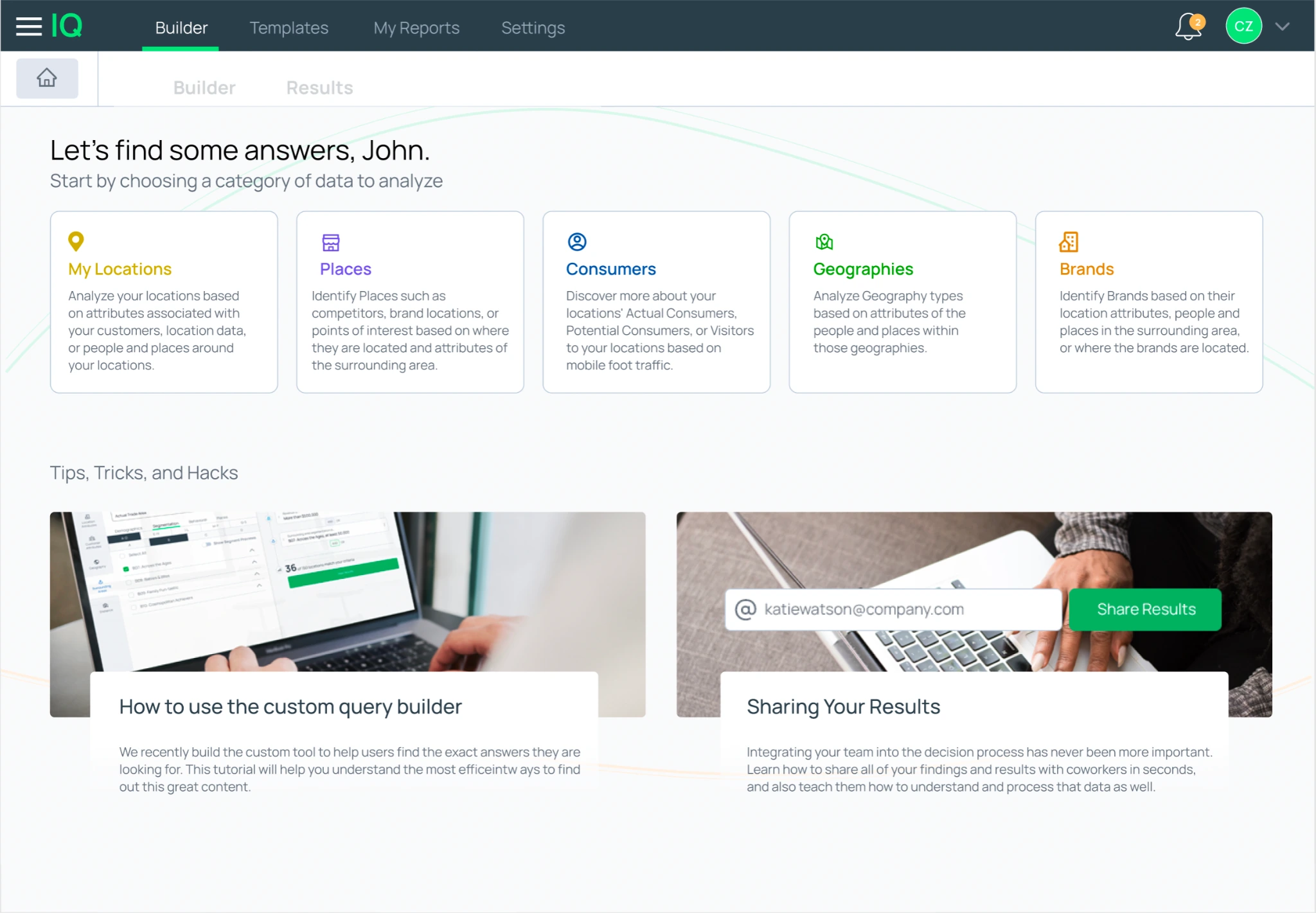
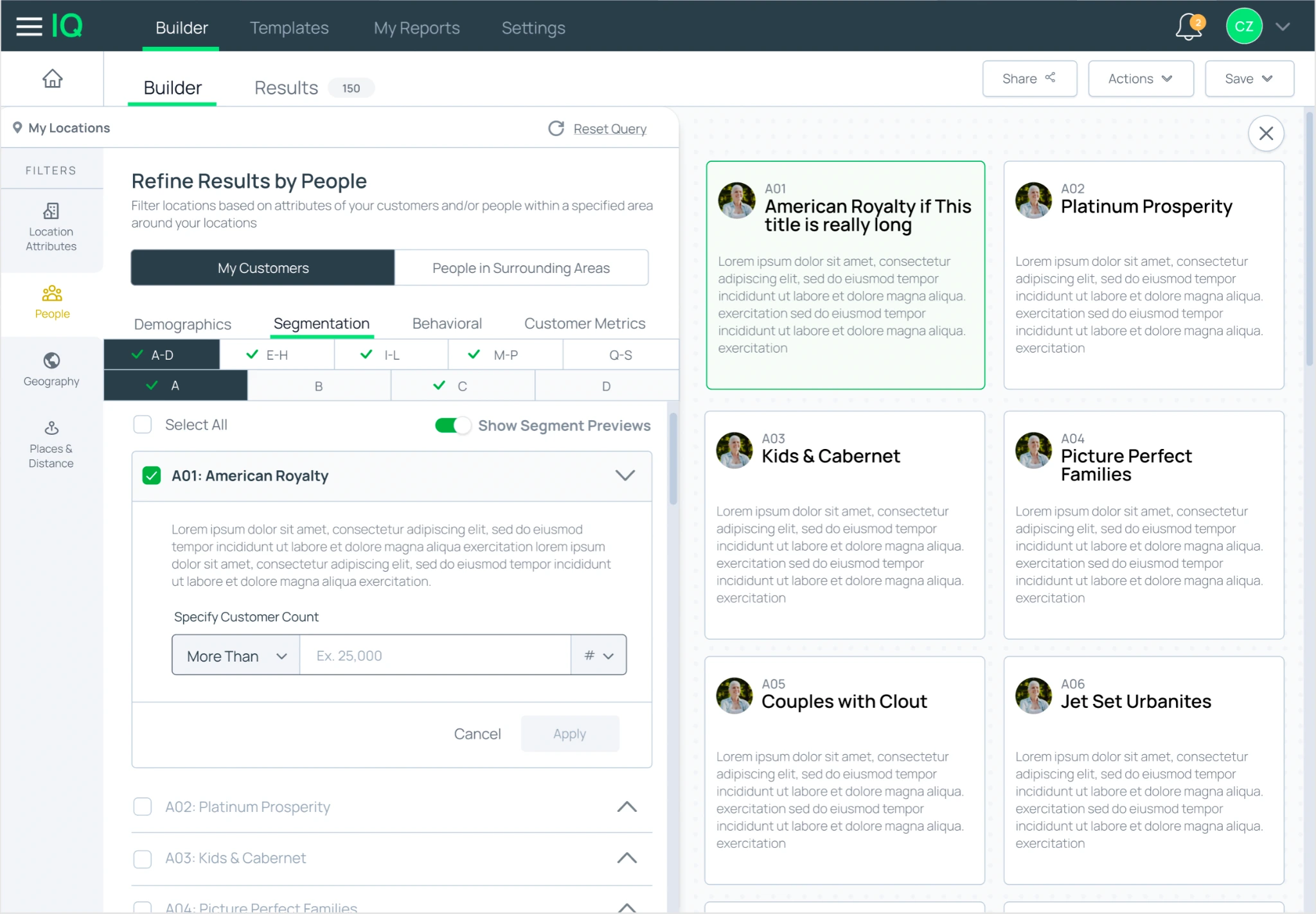
IQ

Simplifying advanced data queries

IQ needed to make Buxton's extensive data accessible through a flexible but approachable query-building experience.

We explored a guided approach that let users select subjects, combine filtering conditions, and examine results through tables and maps, making complex queries more manageable without sacrificing analytical flexibility.

03 / 04THE OUTCOME

Success is Silence

One of the most rewarding outcomes of our work was something most people at Buxton didn’t expect: silence.

With SCOUT, customer support calls were a regular part of business. But when the new products began rolling out, the support team was unusually quiet. So quiet, in fact, that some people started wondering if something was wrong.

For me, that was one of the strongest signs we were getting it right. We'd taken incredibly complex capabilities and created experiences customers could use and understand.

It wasn't a measured business metric, but it was a meaningful reflection of what our team had accomplished.

04 / 04DESIGN LEADERSHIP

THE PEOPLE BEHIND THE WORK

Great Products Are Built Together

Building a strong design team isn't easy. A great portfolio doesn't always translate into a great designer. Finding people who can think critically, solve problems, collaborate, and execute is harder than it looks.

I hired and led a team of four designers, giving them the tools, standards, and support to do their best work. Just as important was keeping them inspired, encouraging their growth, and making sure they understood the value of their contributions.

I never want to lead from the sidelines. I love being in the trenches with them, working through challenges, sharing ideas, and designing together. We built products I'm genuinely proud of, and I wouldn't have done it any other way.

NEXT CASE STUDY

View Next